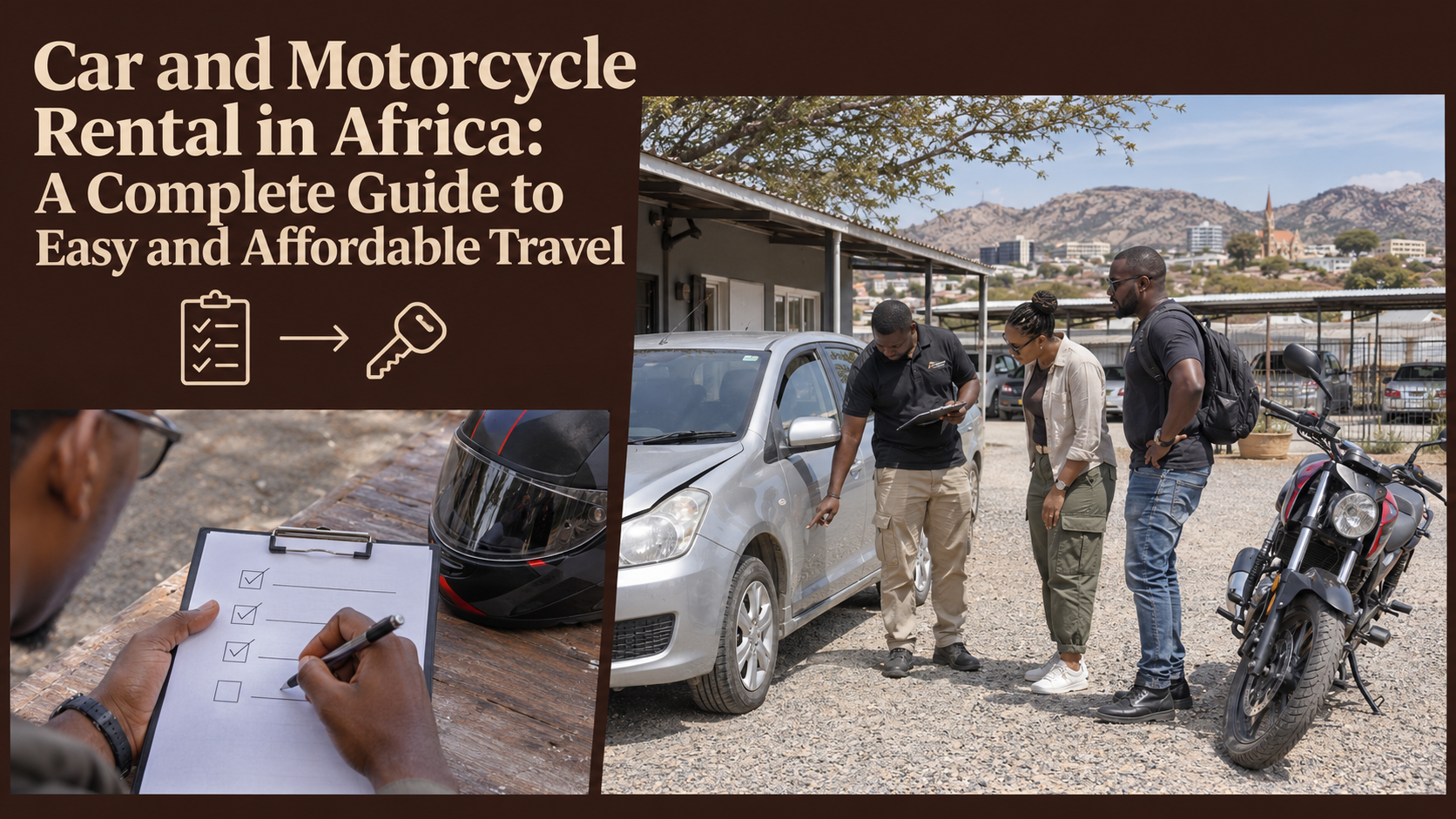
Introduction
Africa offers many places to explore. Each destination brings different travel needs. Some journeys stay within busy cities. Others cover small towns, rural areas, or long roads. The right rental vehicle can make these trips easier to plan. A small car may suit a city visit. A motorcycle may work for some short journeys. A pickup can help with luggage or equipment. Your choice should match the route, budget, and number of travellers. This guide explores vehicle rental choices across Africa. It also explains how to prepare for a safer and more organised journey.
1. Car Rental Buea Cameroon: Plan Your Visit Around Local Travel Needs
Buea can be a useful starting point for local visits and business journeys. Travellers may need a car for family trips, meetings, or sightseeing. A rental vehicle can help them plan travel around their own schedule.
Start by deciding where you want to go. List the places you plan to visit. Estimate the distance and travel time. This will help you choose a suitable rental period.
A small car may work for one or two travellers. A larger car may suit a family or group. Check the luggage space before booking. Make sure everyone can travel comfortably.
Ask the provider about local road conditions. Choose a vehicle that suits your planned route. Do not select a car only because it has a low daily price.
Before leaving, check the tyres, lights, brakes, mirrors, and fuel level. Confirm the rental return time. Keep the provider’s contact details available.
A little planning can help visitors manage their time. It can also reduce confusion during vehicle collection and return.
2. Car Hire Cape Town: Explore the City with a Planned Route
Cape Town offers many places that visitors may want to explore. Some travellers plan city visits. Others want to visit coastal areas or nearby attractions. A rental car can help when public transport does not match the travel plan.
Before booking, prepare a simple itinerary. Group nearby destinations together. This can help reduce unnecessary driving. Allow extra time for traffic, parking, and stops.
Choose a car based on your group size. Think about luggage and comfort. A compact car may suit a short city visit. A larger car may work better for a family trip.
Check the rental terms before confirming. Review the daily price, deposit, fuel policy, mileage rules, and return conditions. Ask about extra drivers if someone else may drive.
Visitors should also understand local driving rules. Check licence requirements before collection. Learn the basic road signs and parking rules.
Do not plan every hour too tightly. Leave room for meals, rest, and unexpected delays. A flexible schedule can make the journey more enjoyable.
3. Motorcycle Rental Cape Town: Consider Two-Wheel Travel for Short Routes
Some visitors prefer motorcycles for selected journeys. A motorcycle may suit a rider who wants to travel alone. It may also help with certain short trips around town.
However, a motorcycle needs careful route planning. Check the road conditions before choosing your journey. Consider weather, traffic, parking, and travel distance.
Your riding experience matters. Choose a motorcycle that you can control with confidence. Confirm the licence requirements before booking. Do not ride a model that feels too powerful or difficult to handle.
Inspect the motorcycle before leaving. Check the tyres, brakes, lights, mirrors, and indicators. Ask about any known mechanical problems.
Wear a suitable helmet and protective clothing. Keep your luggage secure. Avoid carrying items that affect balance or control.
A motorcycle may not suit every traveller. Families, groups, and people with heavy luggage may need a car. Compare your needs before making a decision.
4. Motorcycle Rental Johannesburg: Plan City Travel with Care
Johannesburg has many business, shopping, and visitor destinations. Travellers may need to move between different parts of the city. A motorcycle can suit some short journeys when the rider has the right skills.
Start with your destination list. Check the distance between each stop. Look at the route before starting the journey. Allow extra time for traffic and road conditions.
Choose a motorcycle that matches your experience. Check the licence rules and rental terms. Ask whether the provider includes a helmet or other equipment. Confirm what you must bring yourself.
Inspect the motorcycle during collection. Check the brakes, tyres, lights, mirrors, and controls. Record any visible damage with the provider.
Riders should avoid rushing between appointments. Keep a safe distance from other road users. Wear protective gear and follow local traffic rules.
If you plan several days of travel, compare the total rental cost. Include fuel and other expected expenses. A daily rental may suit a short visit. A longer period may suit a longer stay, depending on the terms.
5. Pickup Truck Rental Buea: Prepare for Trips with Extra Luggage or Goods
Some journeys need more space than a standard car can provide. Travellers may carry camping equipment, work tools, or large bags. Small businesses may also need transport for supplies.
A pickup truck can suit these tasks. First, list everything you plan to carry. Estimate the load size and weight. Check the truck’s stated carrying capacity before booking.
Think about the route. A pickup needs more space for turning and parking. Some roads may require extra care. Choose a truck that suits both the load and the journey.
Ask about the cargo area and loading rules. Confirm whether the vehicle includes any equipment for securing goods. Never leave loose items that could move during travel.
Before collection, inspect the tyres, brakes, lights, mirrors, and cargo area. Record existing damage. Check the fuel level and rental return rules.
A pickup can help with a planned task. It may not be the best choice for every city trip. Compare it with a standard car before deciding.
6. Car Rental Gwanda Zimbabwe: Organise Your Journey Before Arrival
A visit to Gwanda may involve personal travel, family visits, or business activities. A rental car can help travellers organise their own schedules. It may also provide flexibility when they need to visit several locations.
Plan your journey before booking. List the places you want to visit. Estimate how long you may spend at each stop. Consider road conditions and fuel access.
Choose a car that suits your passengers and luggage. Ask the provider about the vehicle’s condition and travel limits. Confirm whether your planned route fits the rental agreement.
Check the documents you need to drive. Visitors should confirm licence requirements before arrival. Do not wait until collection day to ask about important documents.
Inspect the car before departure. Check the tyres, spare tyre, brakes, lights, and mirrors. Ask what support is available if the vehicle develops a fault.
Keep your route and important contact details available. Allow time for rest during longer journeys. Return the vehicle according to the agreed conditions.
7. Self Drive Car Rental South Africa: Build Your Own Travel Schedule
Self-drive car rental gives travellers control over their journeys. They can plan their own stops and travel times. This option may suit families, couples, solo visitors, and business travellers.
Begin with a travel plan. Decide how many days you need the car. List your destinations and estimate the driving distance. Add time for meals, rest, and unexpected delays.
Choose a car that matches your group. Check the seating and luggage space. A smaller vehicle may suit a solo visitor. A family may need more room.
Review the rental agreement before payment. Confirm the licence requirements, deposit, fuel policy, mileage limits, and return time. Check who may drive the car.
Prepare for the journey by checking the route. Keep your phone charged. Follow local traffic rules and avoid distractions. Never drive when tired.
Before returning the vehicle, check the interior and boot. Remove personal belongings. Confirm the return location and time. Keep any handover record provided by the rental company.
8. Electric Car Rental Cape Town: Add Charging Stops to Your Itinerary
Electric cars can suit some journeys around Cape Town. They offer a different driving experience from petrol and diesel cars. However, travellers should plan charging before they start.
First, check the car’s stated range. Compare it with your planned daily distance. Ask the provider about charging cables and suitable charging options.
Find charging points near your route. Include charging time in your itinerary. Do not assume that every destination has a charging station.
Think about where you will park overnight. If you stay at a hotel or guest house, ask about charging access. Confirm whether the provider expects a certain battery level at return.
Learn how the vehicle displays battery level and remaining range. Ask the provider to explain the controls before departure.
Electric cars may work well for some city and regional journeys. The best choice depends on the route, charging access, and travel plans. Compare these details before booking.
9. Peer to Peer Car Rental South Africa: Find Transport Through Vehicle Sharing
Peer-to-peer car rental offers another way to arrange transport. It connects vehicle owners with people who need a car for a period. Travellers can review available options and compare them with their plans.
Start by checking the vehicle listing. Review the location, vehicle details, rental dates, and stated conditions. Ask questions before making a booking. Confirm the full cost and any extra charges.
Owners should provide accurate vehicle information. They should explain collection and return arrangements. They should also keep the car in suitable condition.
Both sides should record the vehicle’s condition during handover. Check the fuel level and mileage. Take photos of visible damage. Keep a written record of agreed terms.
People exploring this model can visit MotoShare Africa to review its vehicle-sharing information. Check the details of each listing before making a decision. Do not assume that all vehicles have identical rental terms.
A clear agreement helps travellers and owners understand their responsibilities. It also makes the booking process easier to manage.
10. Rent Out Your Car South Africa: Help Other Travellers Find Transport
Vehicle owners may have cars that they do not use every day. Some may consider renting them out when suitable. This can create another option for people who need temporary transport.
Before offering your car, check its condition. Review the tyres, brakes, lights, mirrors, and other important parts. Keep maintenance records and required documents ready.
Check your insurance policy first. Ask whether it allows rental use. Review any finance or lease agreement. Confirm the legal requirements that apply to your situation.
Prepare clear rental terms. Explain the collection point, return time, fuel rules, mileage limits, and driver requirements. Confirm how renters should report damage or a breakdown.
Calculate your costs before setting a price. Include maintenance, cleaning, repairs, and periods when the car may not be available. Do not treat every payment as profit.
A well-prepared vehicle and clear rental process can help owners manage bookings more responsibly.
How to Choose a Vehicle for Different African Journeys
The best rental vehicle depends on the journey. A city visit may need a different vehicle from a family holiday. A business delivery may need more space than a personal trip.
Use these questions before making a choice:
- How many people will travel?
- How much luggage or equipment will you carry?
- How long will you need the vehicle?
- What road conditions may you face?
- How far will you travel each day?
- Where can you park the vehicle?
- What is your total transport budget?
- What licence and documents do you need?
Your answers can help narrow the options. They can also prevent you from paying for a vehicle that does not suit your plans.
Plan Your Rental Budget Before You Travel
A rental budget should include more than the daily price. Consider the full cost of the journey.
Check the deposit and payment terms. Review fuel costs and mileage limits. Ask about extra drivers, late returns, and cleaning charges. For electric cars, include charging costs and time.
Also keep some money aside for unexpected travel needs. A flexible budget can help you manage delays or route changes.
Compare rental options using the same travel period. A cheaper daily rate may not always mean a lower total cost. Read the terms before choosing.
Before, During, and After Your Rental
Good planning continues throughout the rental period.
Before collection: Confirm the booking, documents, vehicle details, and total cost. Ask questions about unclear terms.
During the journey: Follow road rules, check the vehicle when needed, and contact the provider about problems. Keep important details available.
At return: Follow the agreed time and location. Remove personal items. Record the vehicle’s condition and confirm the handover.
These simple habits can make travel easier to manage.
Frequently Asked Questions
1. How do I choose the right rental car for an African trip?
Start with your route, passenger count, luggage, and travel period. Check the road conditions and rental terms. Compare the total cost of suitable vehicles. Choose one that meets your needs without paying for space or features you will not use.
2. Is a motorcycle suitable for exploring African cities?
A motorcycle may suit some city journeys and experienced riders. However, traffic, road conditions, weather, and local rules matter. Check your licence and choose a suitable model. Always wear proper protective gear and avoid routes beyond your ability.
3. Should I rent a pickup truck for a family holiday?
A pickup may suit a family that carries large luggage or equipment. But it may not offer the same passenger comfort as a regular car. Compare seating, storage, safety, and route needs before choosing.
4. What should visitors check before renting a car in Cameroon?
Visitors should confirm licence requirements, rental documents, vehicle condition, and travel limits. They should also check fuel rules, return times, and breakdown support. Ask the provider about the planned route before accepting the vehicle.
5. Can I use a rental car for a long road trip in South Africa?
That depends on the vehicle and rental agreement. Check mileage limits, travel permissions, maintenance support, and breakdown procedures. Plan fuel stops and rest breaks. Confirm that the car suits the full route before booking.
6. What should I consider before renting an electric car in Cape Town?
Check the vehicle’s stated range and charging options. Plan charging stops around your destinations. Ask about cables, charging costs, and return battery rules. Choose an electric car only when its range and charging access suit your itinerary.
7. How can travellers compare peer-to-peer car rentals?
Review vehicle details, location, rental dates, total price, and conditions. Ask about driver requirements and vehicle protection. Check the collection and return process. Compare listings based on the full journey, not just the advertised price.
8. Can I rent out my car while I am travelling?
You can explore this option after checking insurance, finance terms, and local rules. Prepare the vehicle and set clear rental conditions. Arrange a reliable handover process. Consider maintenance and repair costs before deciding.
9. What documents should I carry during a rental journey?
Carry the documents required by the rental provider and local rules. These may include your driving licence and identity documents. Keep the rental agreement and emergency contact details available. Confirm the exact requirements before collecting the vehicle.
10. How can I avoid extra rental charges?
Read the agreement before booking. Check the fuel policy, mileage limit, deposit, return time, and extra fees. Return the vehicle in the agreed condition. Ask the provider about any unclear charge before accepting the rental.
Final Thoughts
A good African journey starts with a suitable vehicle and a clear plan. Think about your route, passengers, luggage, and travel budget. Choose a car, motorcycle, or pickup that matches the task. Check the rental terms before you confirm. Inspect the vehicle before driving. Keep important contact details available during the trip. Vehicle owners should also prepare their cars and explain the rental conditions. Careful planning helps both sides manage expectations. It can also make each journey easier to organise. Choose wisely, travel responsibly, and give yourself enough time to enjoy the experience.
