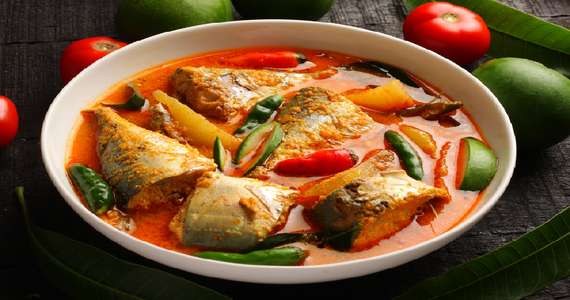
Here’s a detailed guide to the Top 10 Foods to Try in Nagapattinam, written so that any tourist or first-time visitor won’t need to look elsewhere for information.
1. Fish Curry
- What It Is: Freshly caught fish simmered in a tangy tamarind and coconut milk gravy with traditional Tamil spices.
- Why You Should Try It: Nagapattinam is a coastal town where fish is caught daily; this dish represents the soul of coastal Tamil cuisine.
- Where to Eat: Local seafood restaurants and small “mess” eateries around the port area.
- Best Time: Lunch (12 PM – 2 PM) when seafood is freshest.
- Tip: Ask for “medium spicy” if you’re not used to strong flavors, and pair it with white rice for the authentic experience.
2. Fish Fry
- What It Is: Marinated fish fillets coated in chili powder, turmeric, and spices, deep-fried until crispy.
- Why You Should Try It: It’s a simple yet irresistible dish that highlights the freshness of Nagapattinam’s seafood.
- Where to Eat: Street food stalls near the beach or small coastal restaurants.
- Best Time: Evening (6 PM – 8 PM).
- Tip: Smaller fish are softer and less oily; best enjoyed with lemon squeezed on top.
3. Prawn Curry
- What It Is: Prawns cooked in a thick, spiced coconut-based curry served with rice or parotta.
- Why You Should Try It: Rich in flavor, this dish combines coastal ingredients with Tamil spice techniques.
- Where to Eat: Beachside restaurants or homely seafood cafés near the harbor.
- Best Time: Lunch or early dinner.
- Tip: Try it with appam (soft rice pancakes) if available.
4. Banana Leaf Meal (Traditional South Indian Meal)
- What It Is: A wholesome vegetarian meal served on a banana leaf, consisting of rice, sambar, rasam, poriyal (vegetable stir-fry), appalam (papad), and payasam (sweet dish).
- Why You Should Try It: This meal captures the essence of Tamil Nadu’s culture and dining traditions.
- Where to Eat: Vegetarian hotels and temple-run dining halls in town.
- Best Time: Lunch (12 PM – 3 PM).
- Tip: Eat with your hands for the authentic experience; it’s considered auspicious and enhances the flavors.
5. Idli and Sambar
- What It Is: Soft steamed rice cakes (idli) served with sambar (a tangy lentil stew) and coconut chutney.
- Why You Should Try It: A South Indian breakfast staple that’s light, healthy, and comforting.
- Where to Eat: Local tea shops, breakfast cafés, or roadside stalls.
- Best Time: Early morning (6 AM – 9 AM).
- Tip: Pair it with filter coffee for the perfect start to your day.
6. Dosa
- What It Is: A thin, crispy fermented rice and lentil crepe served with chutney and sambar. Variations include plain, masala, or onion dosa.
- Why You Should Try It: It’s one of Tamil Nadu’s most iconic dishes, and Nagapattinam serves authentic, freshly made versions.
- Where to Eat: Family-run vegetarian restaurants and breakfast joints.
- Best Time: Morning or dinner (7 AM – 9 AM, 7 PM – 10 PM).
- Tip: Order a masala dosa if you want something filling, or a plain dosa with multiple chutneys for lighter fare.
7. Murukku (Traditional Fried Snack)
- What It Is: A crunchy spiral snack made of rice flour, urad dal flour, and spices, deep-fried until golden.
- Why You Should Try It: Perfect for an evening snack or takeaway; represents Tamil Nadu’s love for traditional snacks.
- Where to Eat: Local sweet and snack shops like Geetha Sweets or Ayyanar Sweets.
- Best Time: Afternoon tea time (4 PM – 6 PM).
- Tip: Ask for freshly made packs and store in an airtight container for travel.
8. Paruppu Payasam (Lentil and Jaggery Pudding)
- What It Is: A creamy dessert made from moong dal, jaggery, coconut milk, and cardamom.
- Why You Should Try It: This traditional sweet is served during festivals and special occasions; comforting and rich.
- Where to Eat: At restaurants offering traditional Tamil meals or at sweet shops.
- Best Time: After lunch or dinner as dessert.
- Tip: Try it warm — it tastes better and is naturally sweetened with jaggery.
9. Kothu Parotta
- What It Is: Flaky parotta (layered flatbread) shredded and stir-fried with eggs, onions, and spicy gravy; available in vegetarian and non-vegetarian versions.
- Why You Should Try It: A famous Tamil street food known for its rhythmic chopping sound and intense flavor.
- Where to Eat: Night street food stalls and fast food shops in Nagapattinam town.
- Best Time: Night (8 PM – 10 PM).
- Tip: Order the “egg kothu parotta” if you prefer mild spice; chicken versions are spicier.
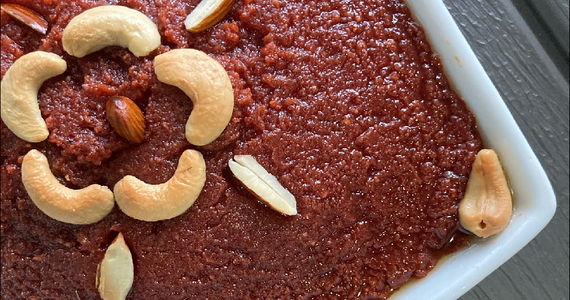
10. Dumroot (Local Halwa Sweet)
- What It Is: A traditional Nagapattinam sweet similar to halwa, made with milk, sugar, ghee, and flour, slow-cooked for hours to reach a fudgy texture.
- Why You Should Try It: It’s a local specialty rarely found outside this region, known for its melt-in-mouth richness.
- Where to Eat: Popular sweet shops like Geetha Sweets or Arockia Sweets.
- Best Time: Afternoon or early evening, fresh from the batch.
- Tip: Buy a small box as a takeaway — it’s a great edible souvenir.
Food Travel Tips for Nagapattinam
- Best Time to Eat:
- Breakfast: 6 AM – 9 AM
- Lunch: 12 PM – 3 PM
- Dinner: 7 PM – 10 PM
- Spice Level:
- Local food tends to be spicy. If you prefer mild, ask for “less chili” when ordering.
- Vegetarian vs Non-Vegetarian:
- Vegetarians can enjoy banana leaf meals, idli, dosa, and payasam.
- Non-vegetarians should not miss seafood — it’s fresh, flavorful, and abundant.
- Hygiene Tips:
- Choose restaurants or stalls with a steady flow of customers (fresh food turnover).
- Always drink bottled or boiled water.
- Budget Estimate:
- Street food/snacks: ₹30–₹100 per item
- Full meals: ₹150–₹300 per person
- Seafood platters: ₹300–₹600 per person
- Cultural Etiquette:
- Eating with your hands (especially during banana leaf meals) is traditional and appreciated.
- Tipping (5–10%) is welcome in restaurants.
- Local Specialties to Take Home:
- Dumroot sweet
- Murukku and banana chips
- Local spice mixes (fish masala or sambar powder)

#ExploreNagapattinam#FoodieTravel#NagapattinamCuisine#NagapattinamEats#NagapattinamFood#SouthIndianFoodTop 10 Foods to Try in Nagapattinam
